Rover 95
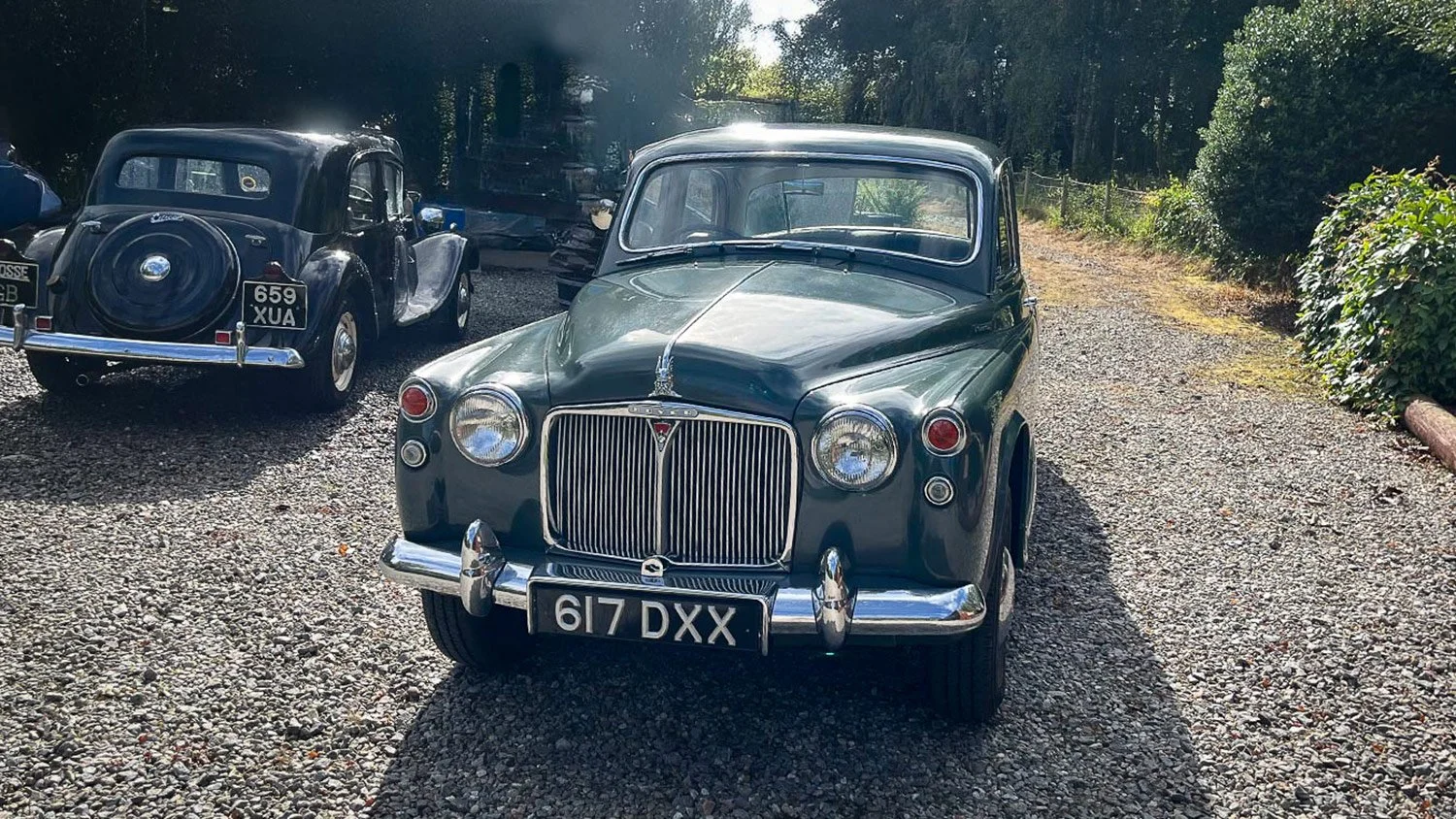
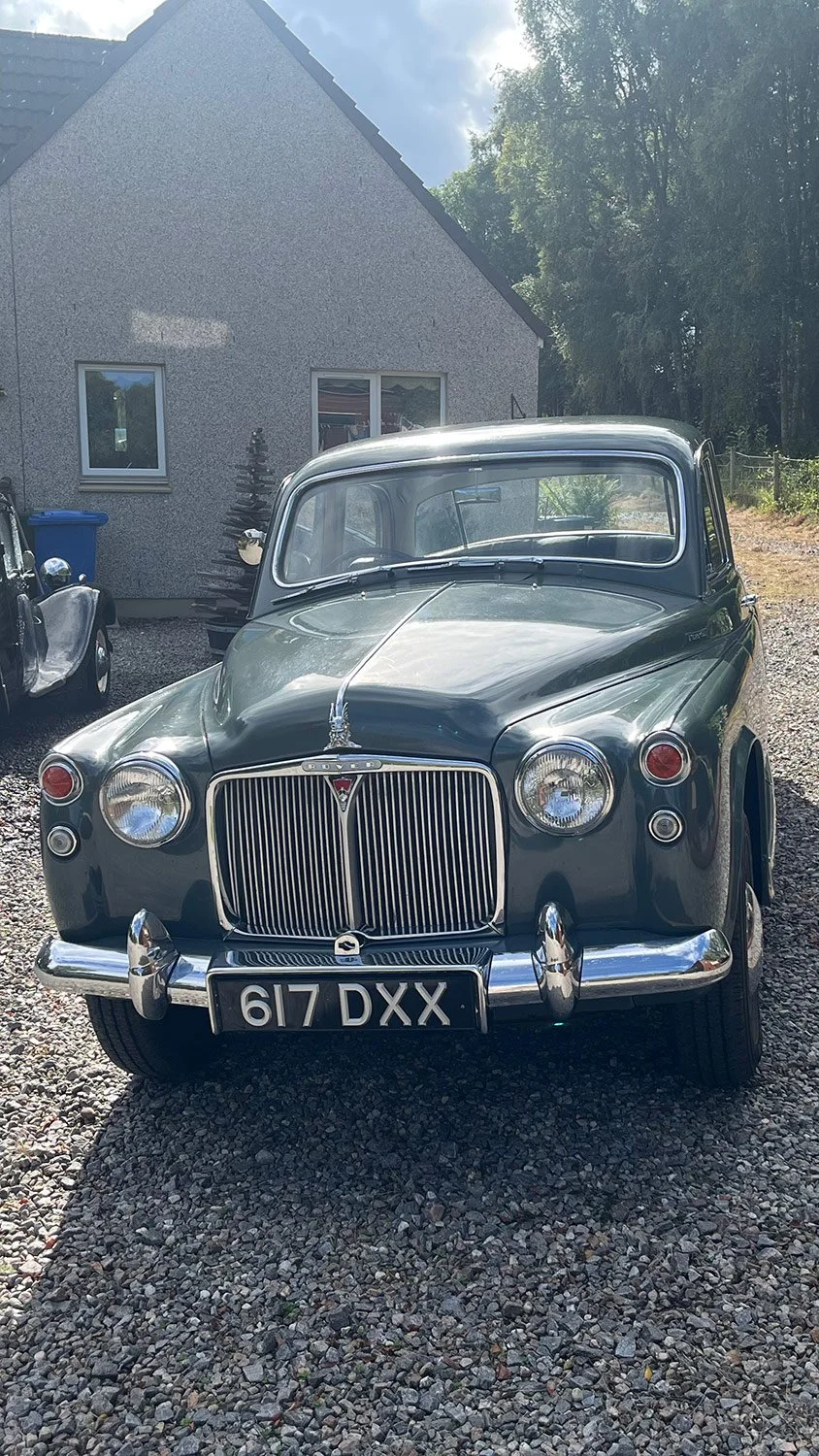
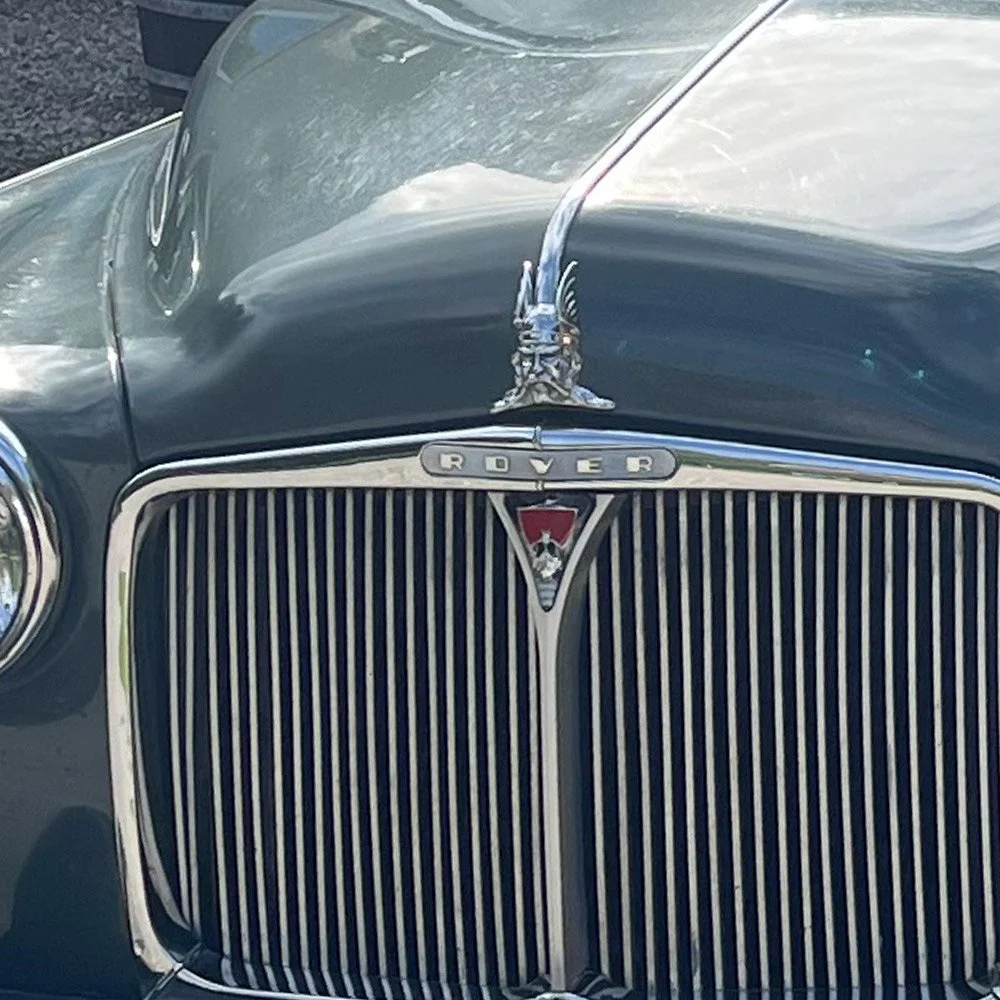
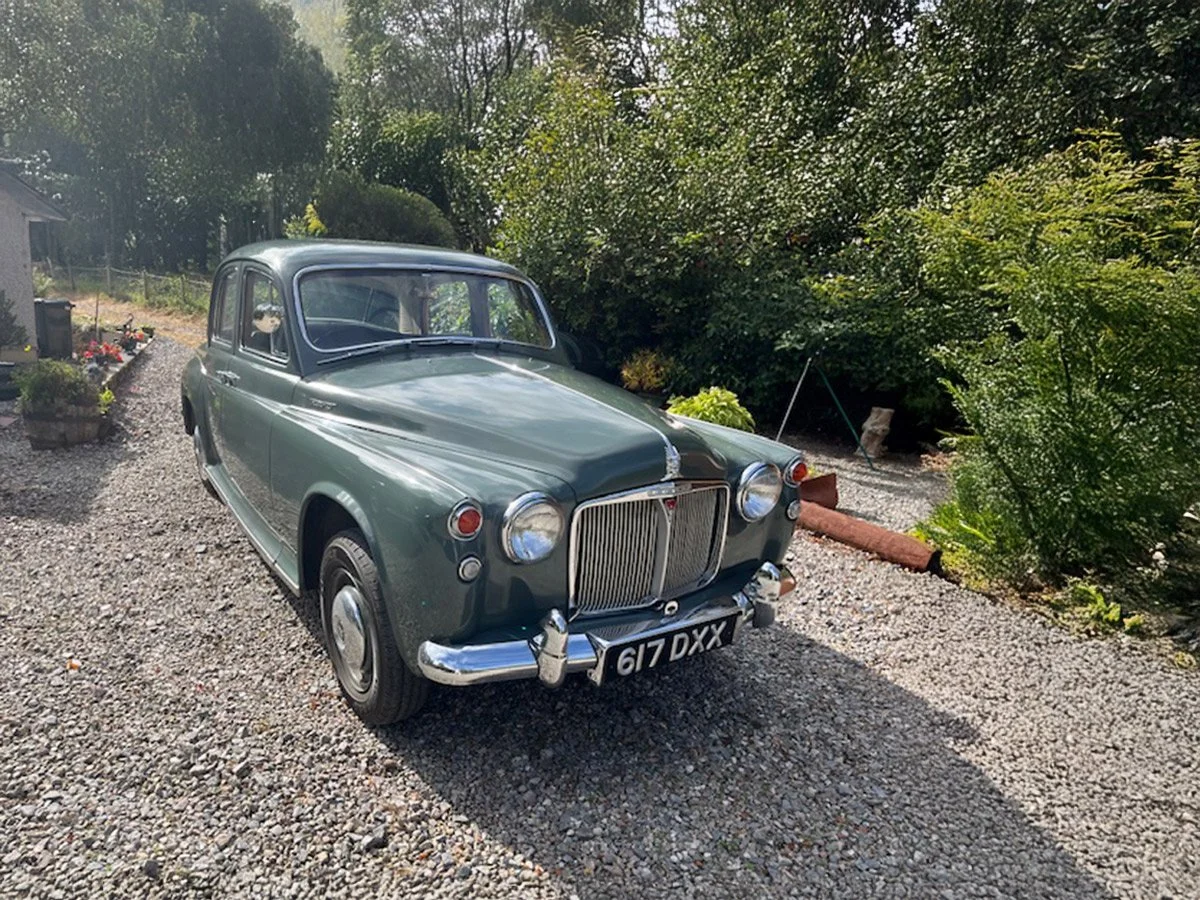
The Rover 95 is a classic British saloon and one of the last models from the P4 series, affectionately nicknamed the "Auntie Rover".
It holds its place in classic car history as a robust, well-engineered,
and quintessentially conservative vehicle that marked the end of
an era for Rover.
Nuts & Bolts
Rover 95
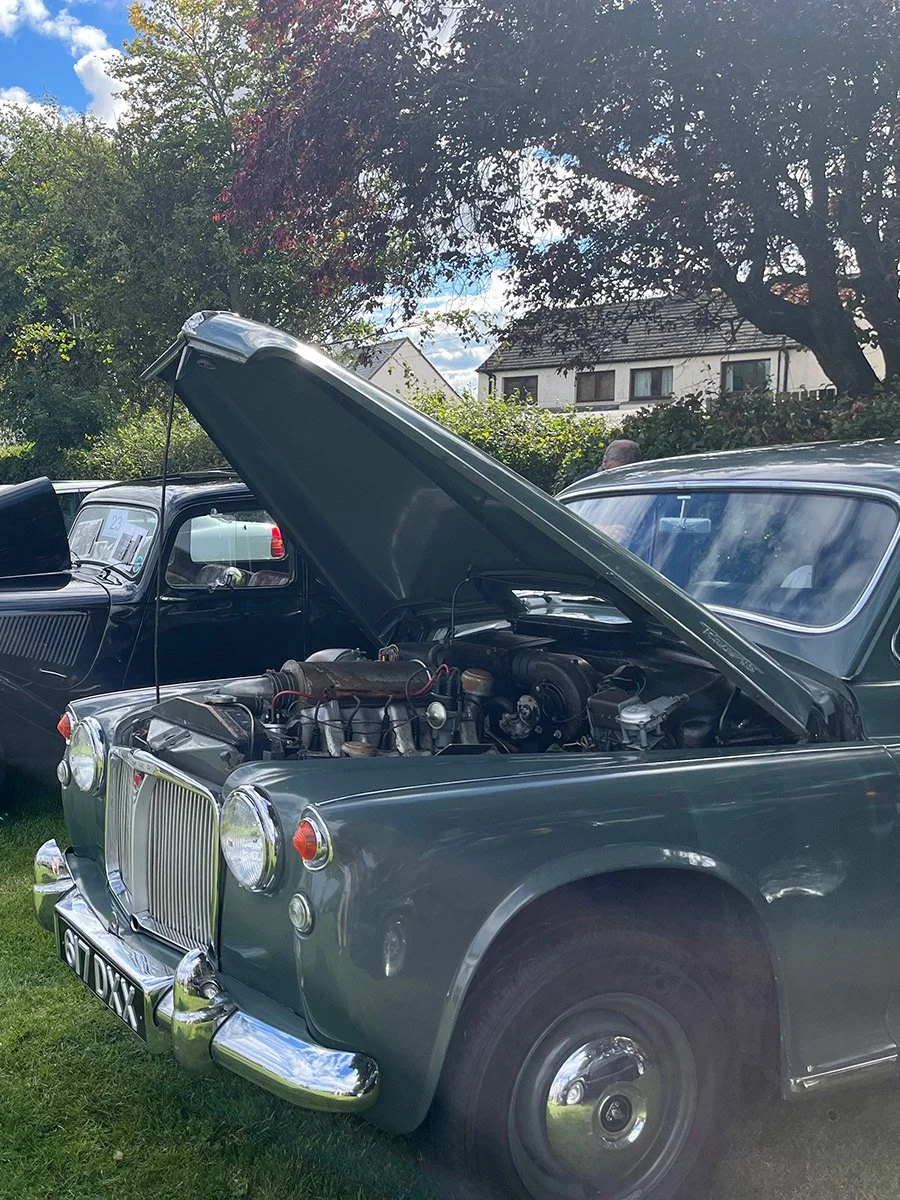
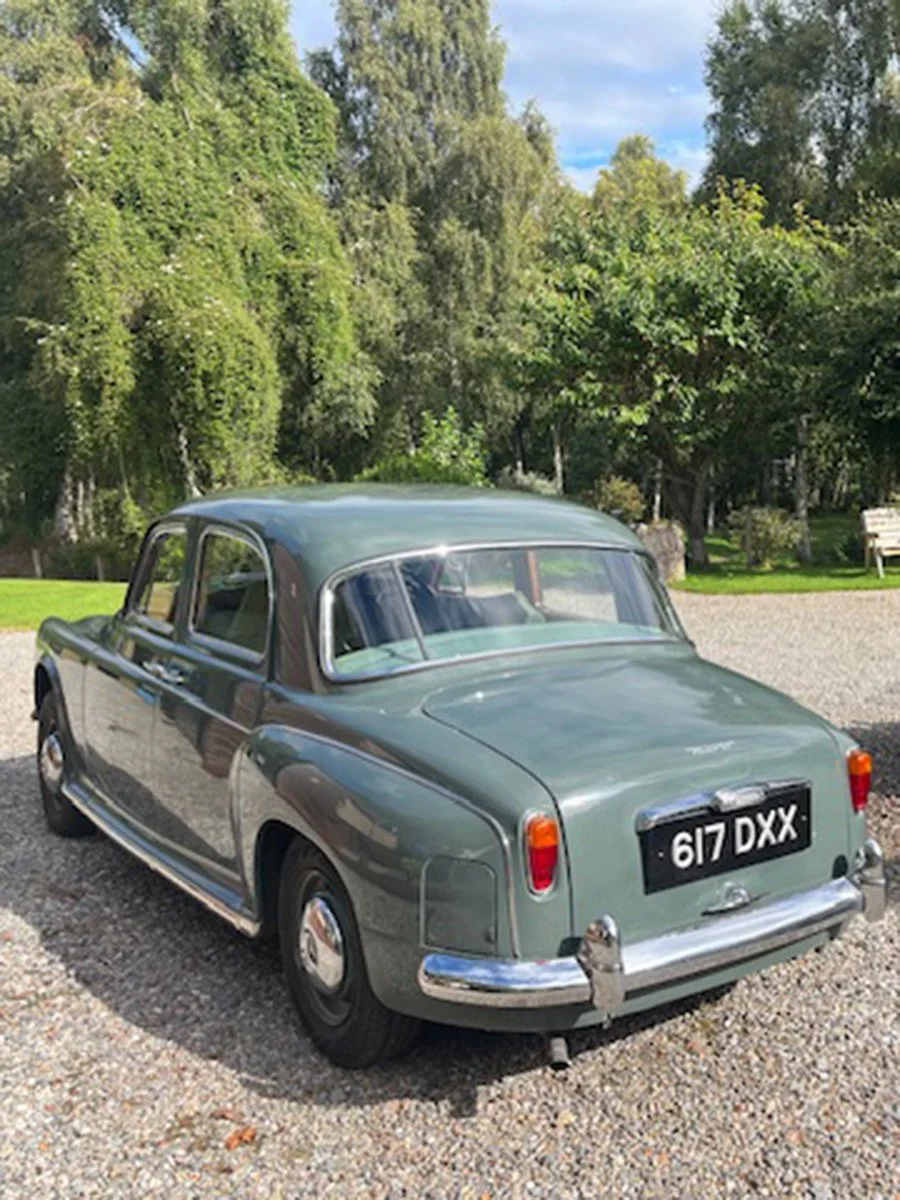
First registered: August 1963
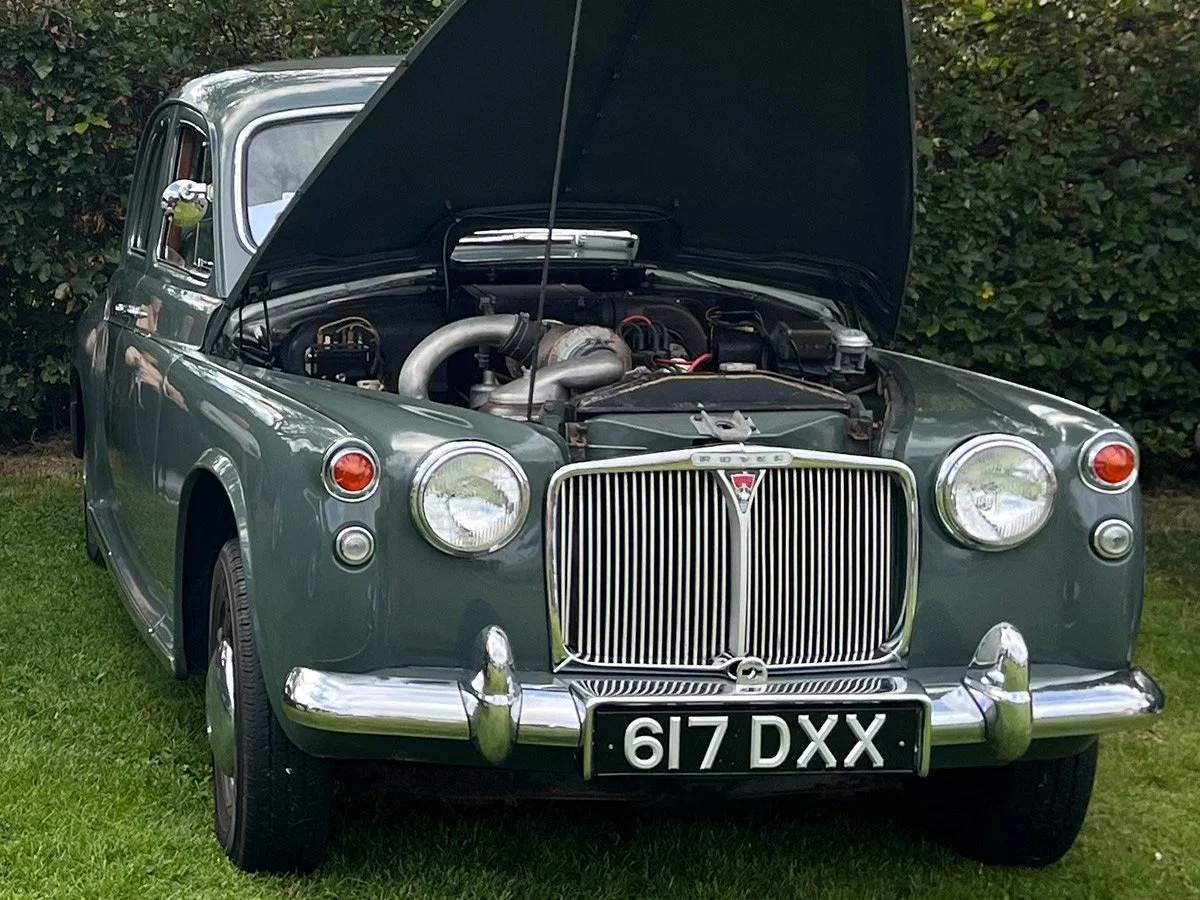
Registration number: 617 DXX
Green
The Rover 95 is a classic British saloon and one of the last models from the P4 series, affectionately nicknamed the "Auntie Rover". It holds its place in classic car history as a robust, well-engineered, and quintessentially conservative vehicle that marked the end of an era for Rover.
Quintessentially British
The P4 series was a familiar part of British culture and an emblem of conservative British values. It was particularly popular with professionals like bank managers and doctors.
Production Years (1962–1964)
The Rover 95 was one of the final variants of the P4, produced for only two years alongside the more powerful Rover 110. Its production ended in 1964 to make way for the more modern Rover P6.
Budget-Friendly Option
The 95 was conceived as a replacement for the four-cylinder Rover 80. It was a more economical version of the previous Rover 100, featuring a higher-ratio differential instead of an overdrive gearbox.
Final Evolution
The last P4s, including the 95, were simplified to reduce costs. Unlike earlier P4s that used a lightweight aluminium alloy for the bonnet, boot, and doors, the 95 was fitted with cheaper, though more rust-prone, steel panels.
Solid Build Quality
The P4 series built on Rover's reputation for producing solid, reliable saloon cars with quality engineering, including independent coil and wishbone front suspension.
Dated Design
By the time the 95 was released, the P4's styling—originally revolutionary in 1949—was looking dated compared to newer competitors. Key features that made it feel outclassed included the car's body roll and heavy steering.
“The 95 prioritised comfort over speed. It provides a smooth and comfortable ride over high performance. Described by some as the poor man’s Roll-Royce, the Culburnie Classic Car family prefer to think of it more as the thinking man’s Rolls-Royce”
“The P4 series was also one of the last British cars to feature rear-hinged back doors, referred to as ‘suicide doors’ and is a distinctive and historically significant feature on the Rover 95.”
— Culburnie Classic Cars