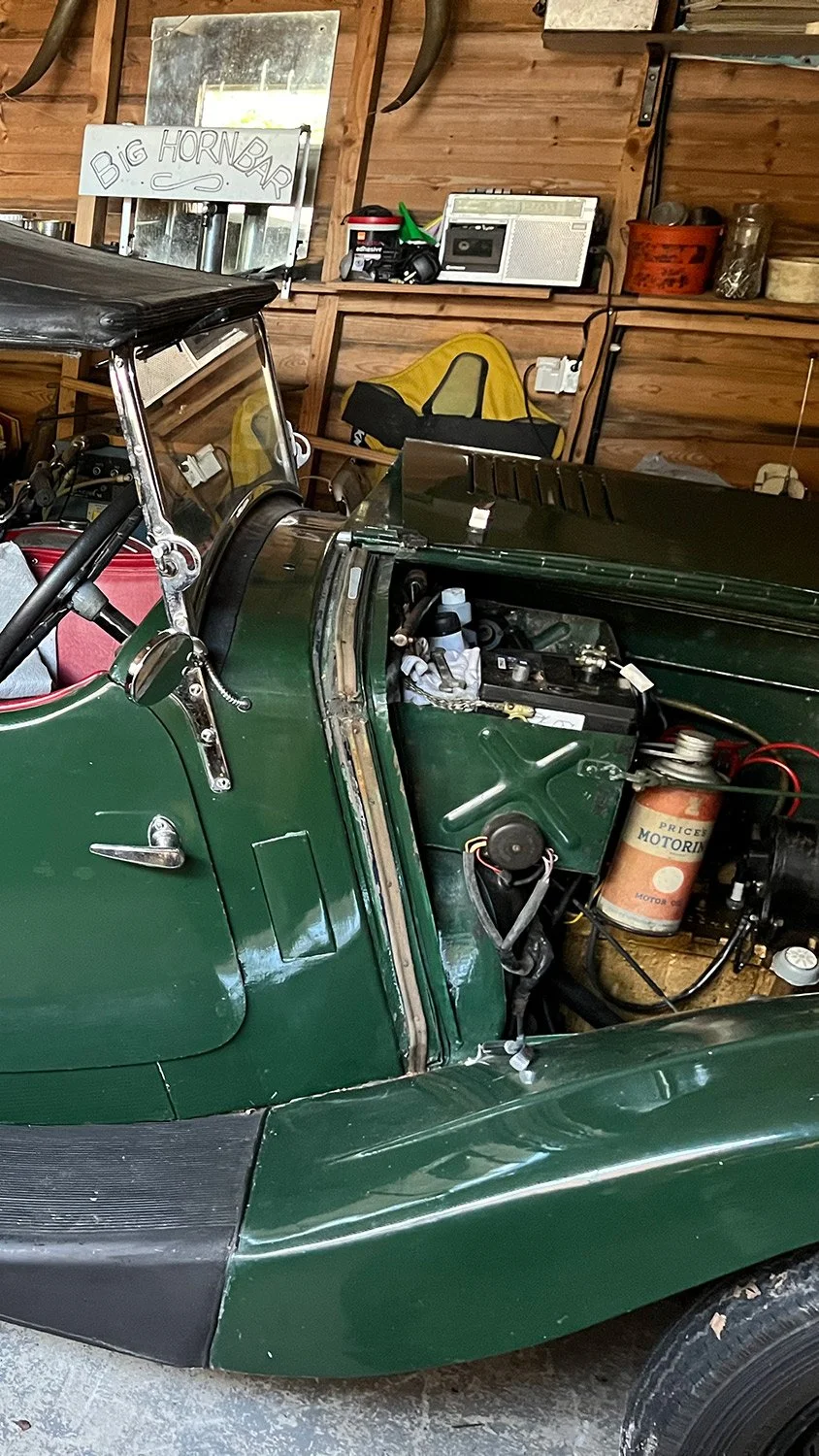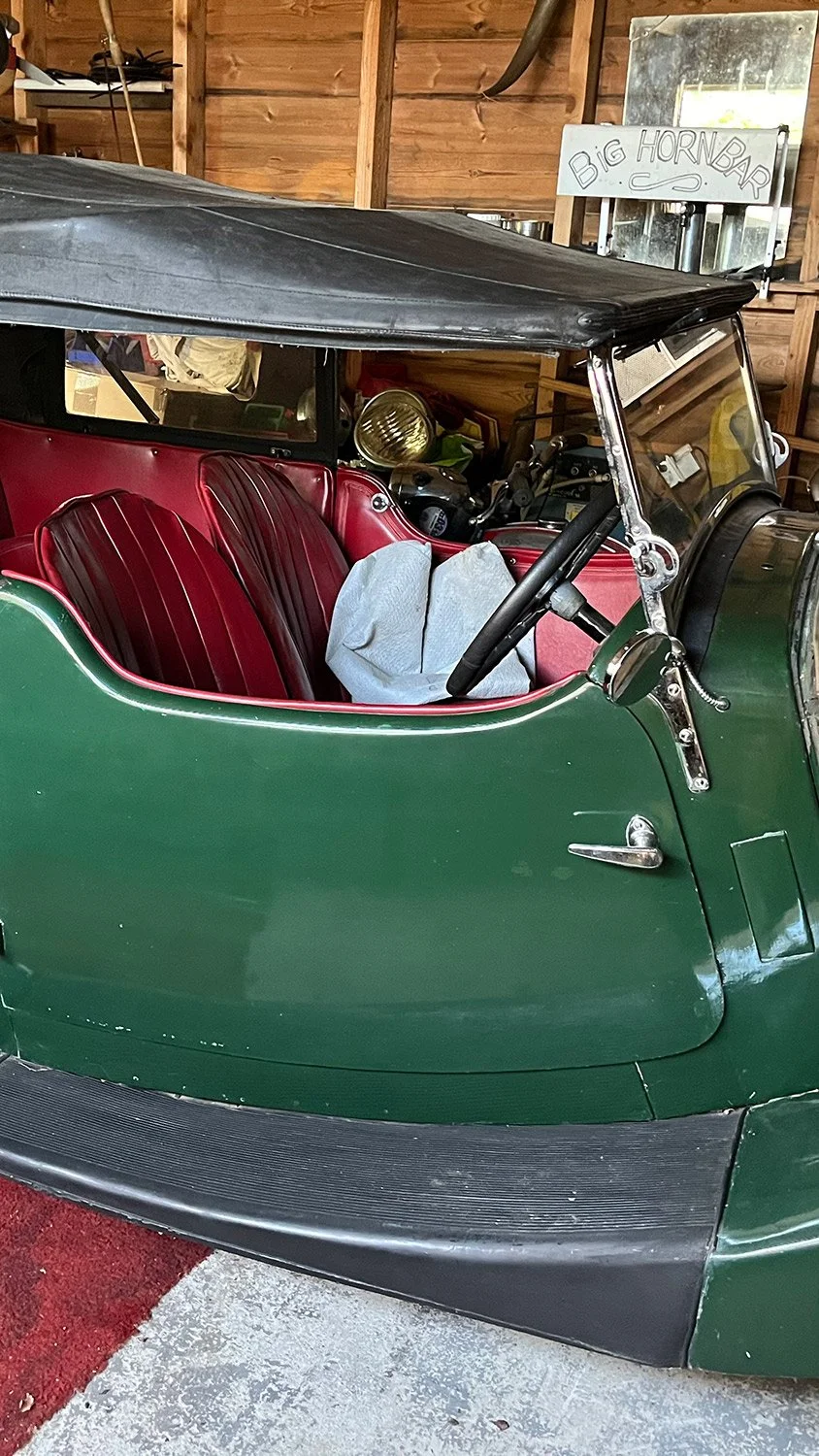
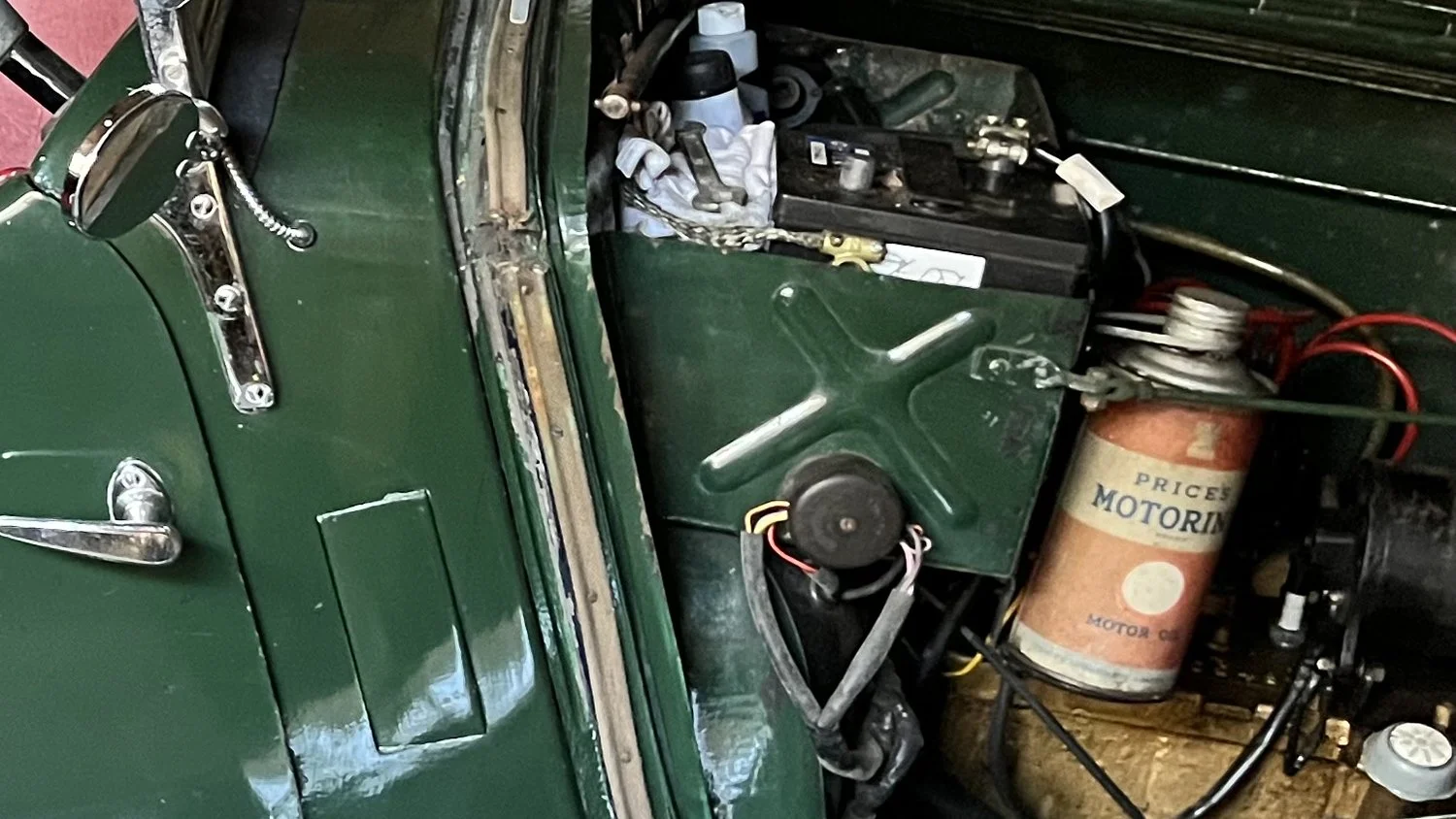
Morris 8 Tourer
The Morris 8 Tourer (1942) is a simple, pre-war British economy car known for its rugged and straightforward design. Its production was largely halted during the war, making any 1942 model a rare post-war survivor built from pre-war components. As a classic, it is cherished for its unpretentious, "oily rag" character and strong connection to a bygone era of motoring.
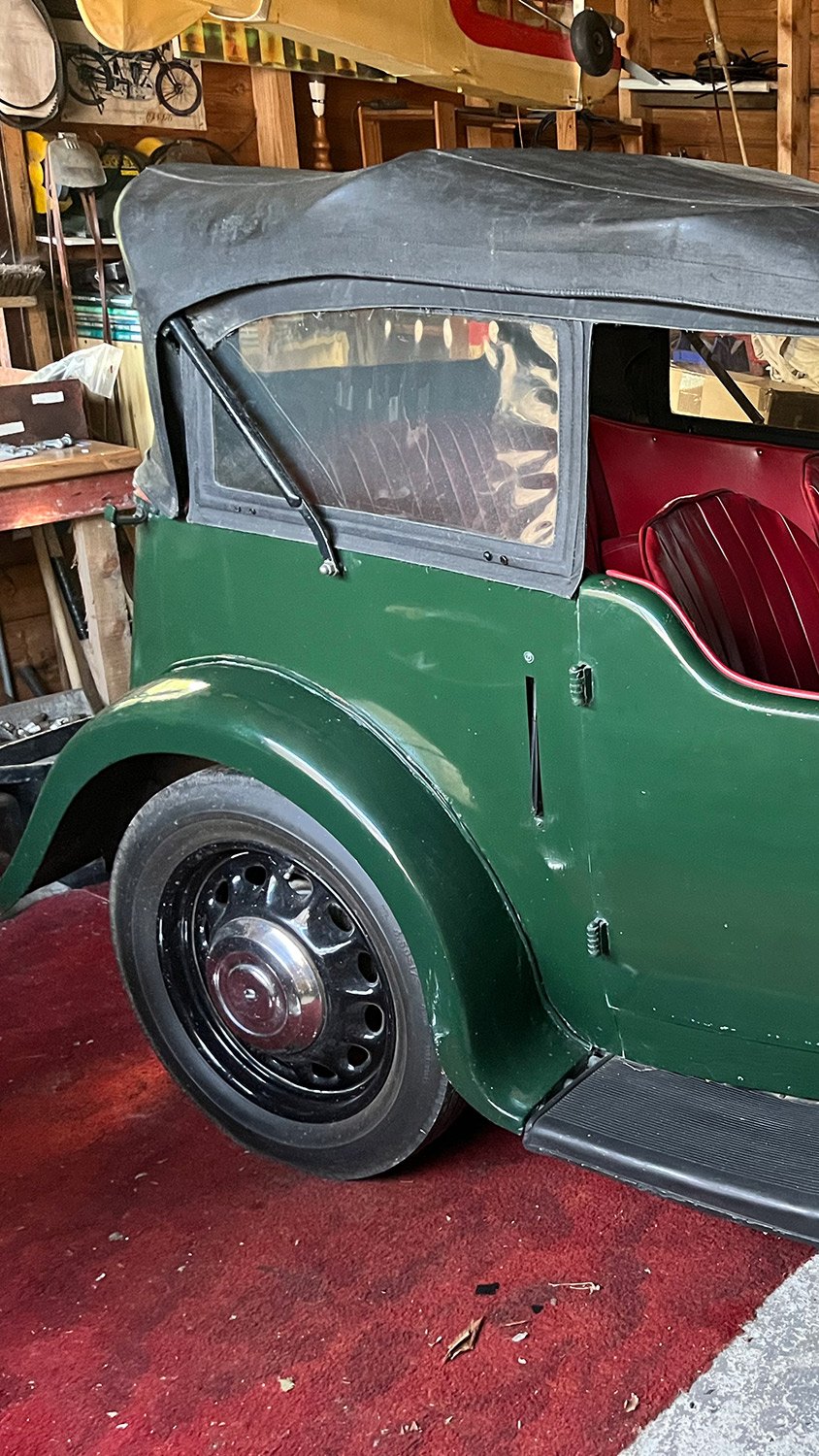
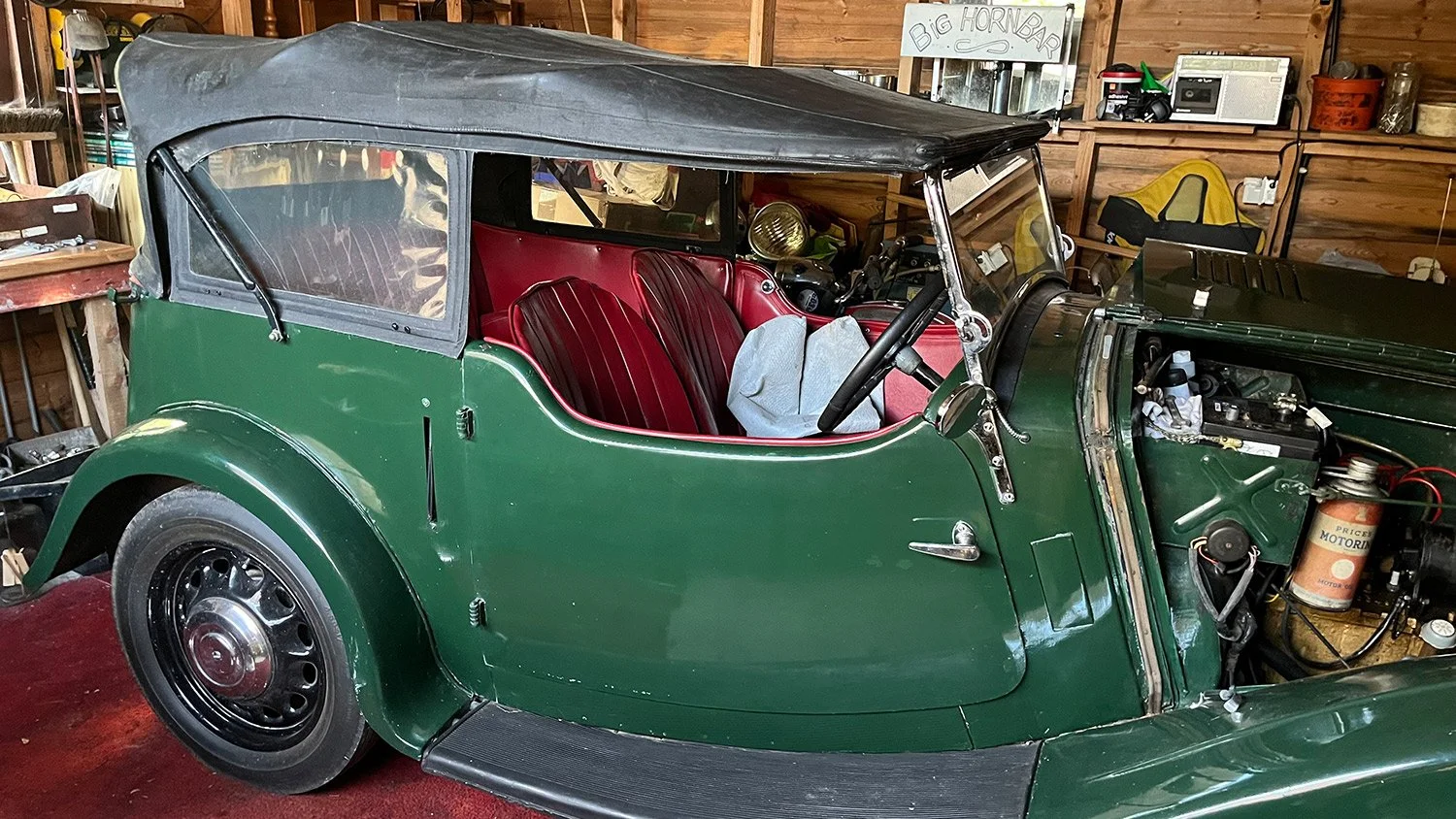
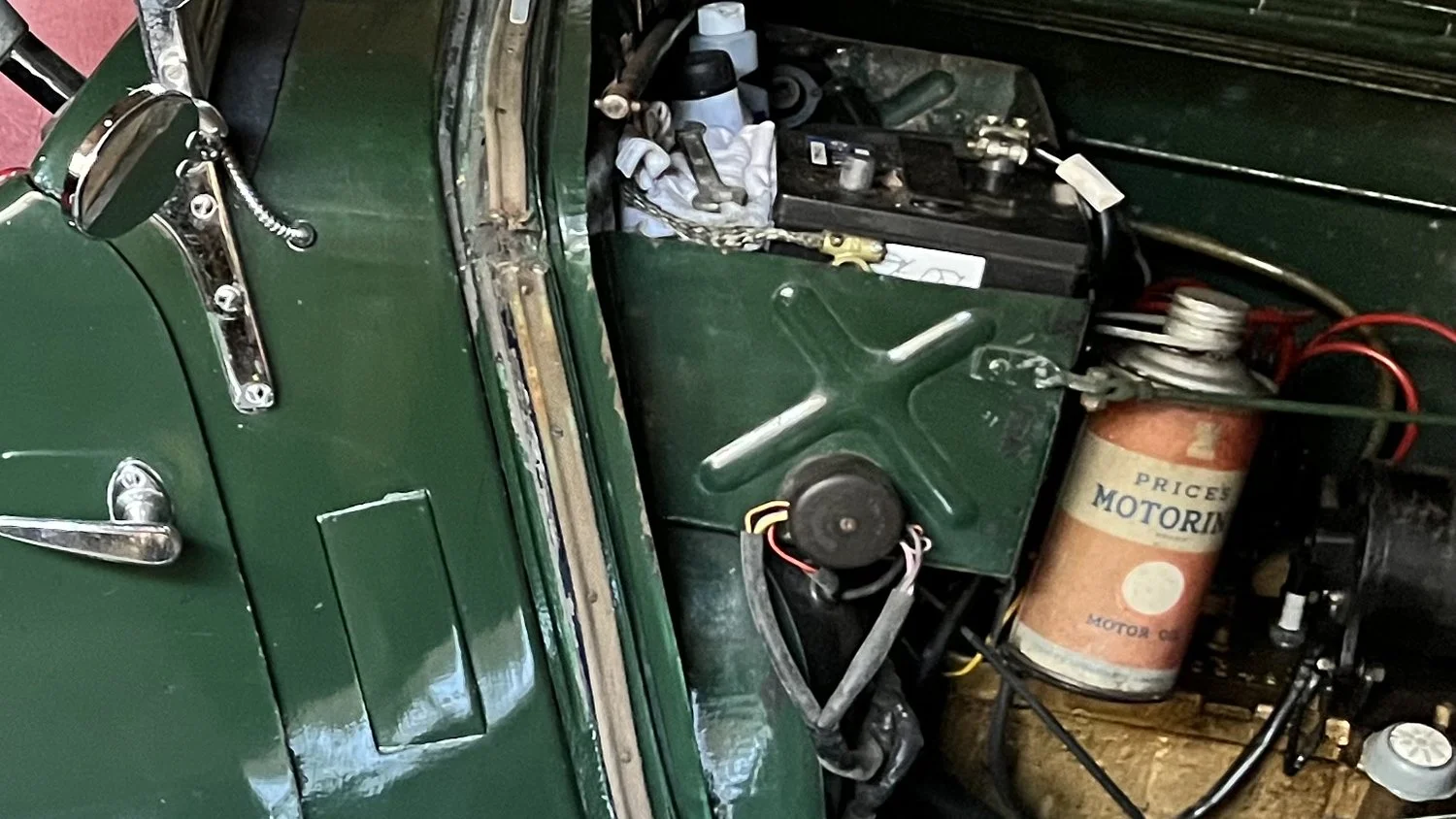
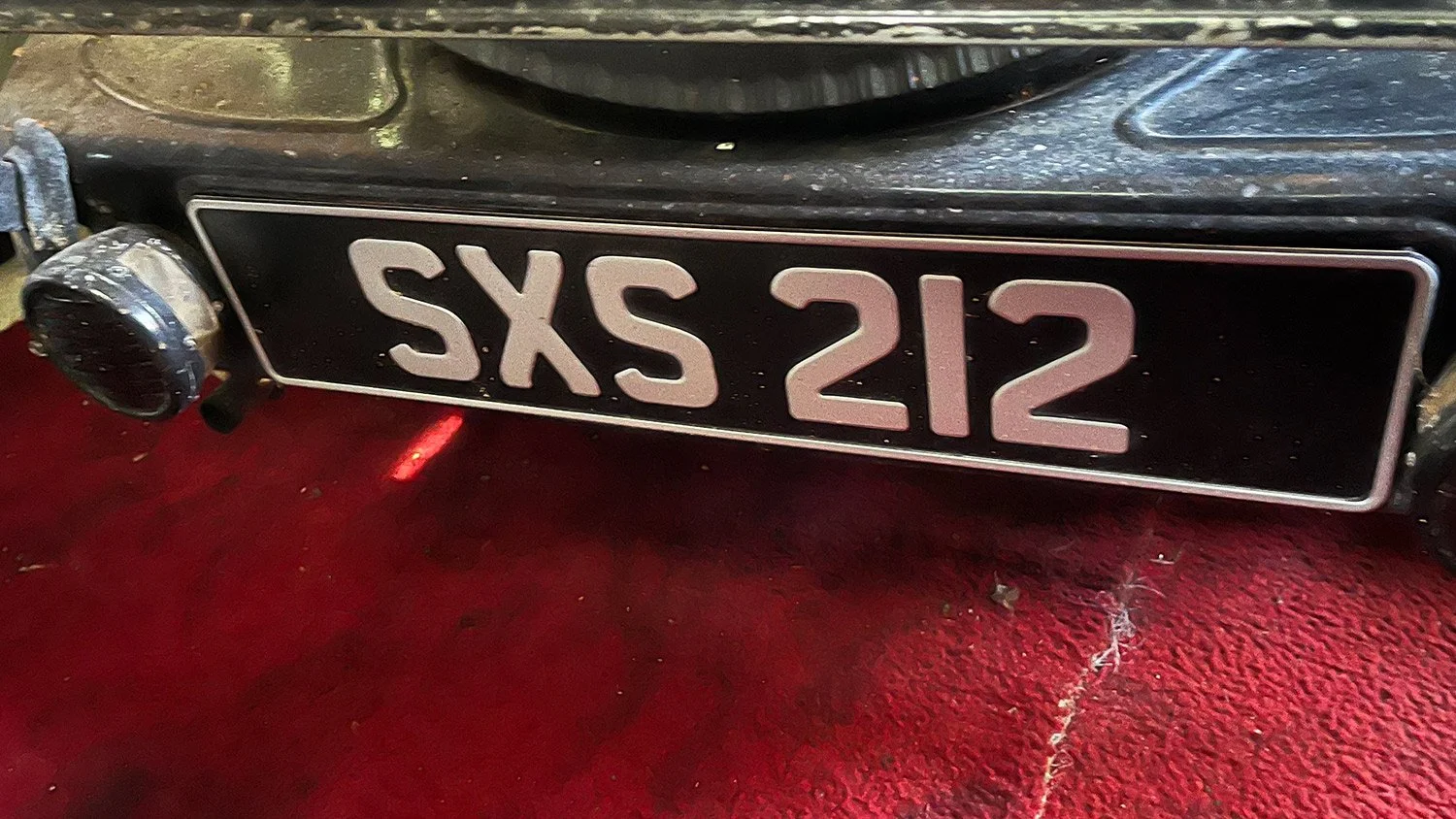
Nuts & Bolts
Morris 8 Tourer
First registered: 1942
Registration number: SXS 212
Green
Wartime blackout features
"Breakfast car" legacy
As a 1942 model, a Morris Eight Tourer would belong to the Series E line, a version of the popular pre-war compact car. Its notable highlights are defined by this design and its unusual wartime production context.
Although Morris civilian car production had largely ceased by 1942 due to World War II, a small number of vehicles were still assembled using existing pre-war parts. This makes any 1942 Morris Eight Tourer a rare, late-production civilian model.
These cars were likely earmarked for essential services or export, and were subject to wartime restrictions and would have required blackout modifications, including special headlight masks and whitewashed wings to make the car more visible in the dark.
In the military, they were nicknamed "The Breakfast Car" because junior officers would borrow them for a night out and were expected to return them "in time for breakfast".
Design and characteristics
A product of the Series E: The 1942 model is part of the final, pre-war generation, the Series E, which was introduced in 1938. It is distinguished from earlier models by its revised, more streamlined body, which eliminated the running boards and featured a more modern, enclosed "waterfall" grille replacing the classic external chrome radiator of earlier models.
Open-top motoring: The "Tourer" designation signifies an open-top body style. It has a folding fabric hood and typically a 2+2 seating arrangement, though earlier models had a two-seater configuration. Side screens offered limited weather protection.
Interior comforts: For a driver in 1942, the Series E Tourer offered a relatively advanced experience for an economy car with a well-appointed interior with adjustable front seats and toughened glass throughout. For ventilation, the front windscreen could be wound open with a central control.
Simple mechanics: The car is powered by a reliable 918cc side-valve, four-cylinder engine. A four-speed manual gearbox with synchromesh on the top three gears was standard on the Series E. The simple mechanicals make it relatively easy for hobbyists to maintain.
A "back-to-basics" driving experience: Operating a Morris 8 is a deliberate, analogue affair. It lacks modern conveniences and requires conscious input for everything from starting the engine to using the handbrake. Signalling was done via "trafficators"—small semaphore arms that pop out from the door pillars.
Boot access: For the first time, a practical, externally accessed boot was added to the Series E body.
As a classic car
An accessible pre-war classic: The Morris 8 Tourer is valued as a relatively affordable and uncomplicated entry point into pre-war car ownership. It provides an authentic and charming classic motoring experience.
An active enthusiast community: Strong enthusiast support, aided by active car clubs, is a major benefit for owners. These communities can be invaluable for sourcing parts and technical advice, which is important for a car of this vintage.
Not built for speed: With a top speed of around 60 mph, it is best suited for leisurely drives on local roads rather than modern highways. It offers a connection to the past, best enjoyed by those who appreciate the journey itself.
“Driving this car is an emotional, character-filled experience, but requires a deliberate approach to the gear change, steering, and braking compared to modern vehicles.”
— Culburnie Classic Cars