
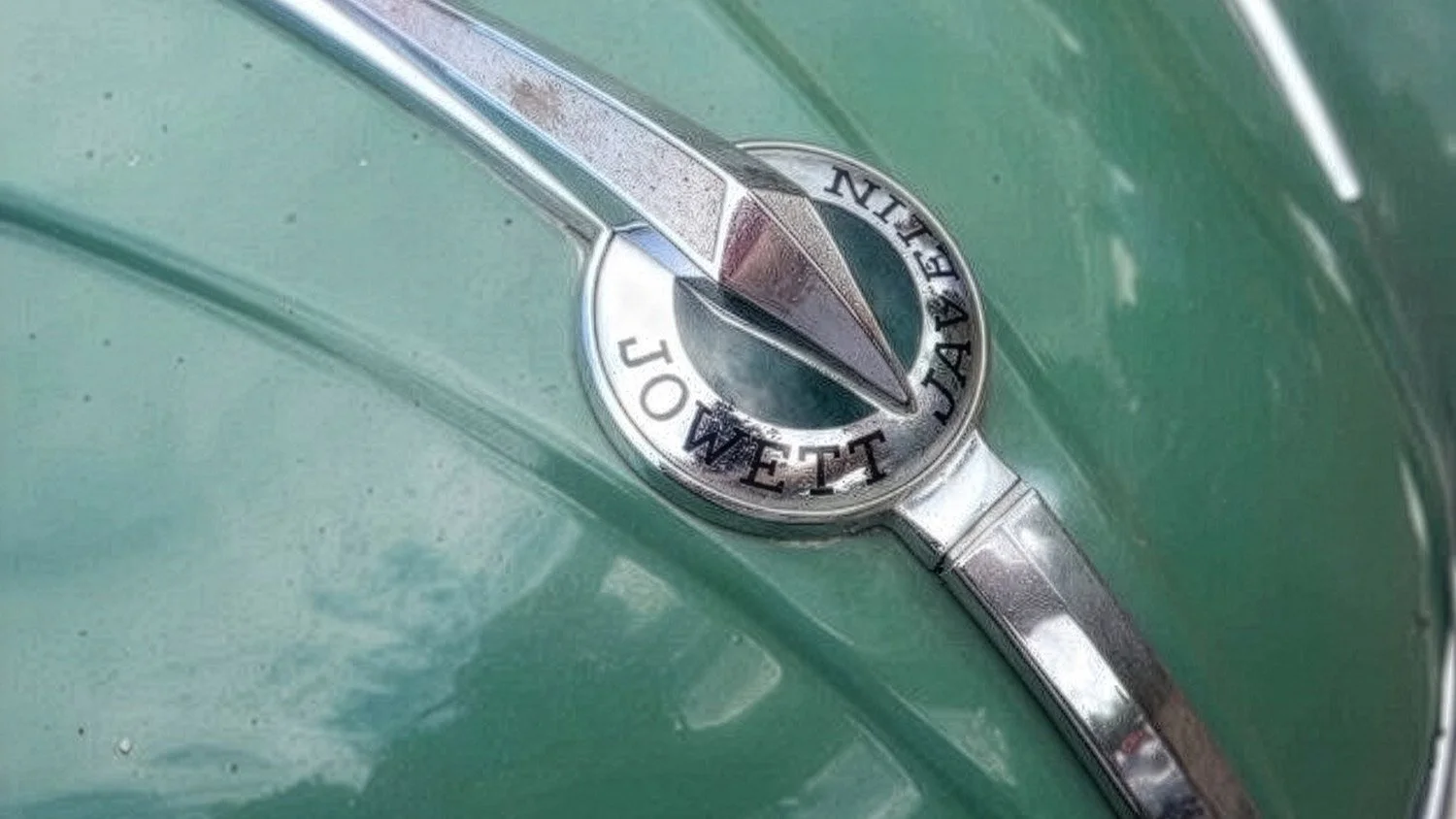
Jowett Javelin
The Jowett Javelin of 1950 was a technical marvel for its time with revolutionary and advanced engineering, modern fastback design, and rally-proven performance that sets it apart from most conservative post-war British cars.
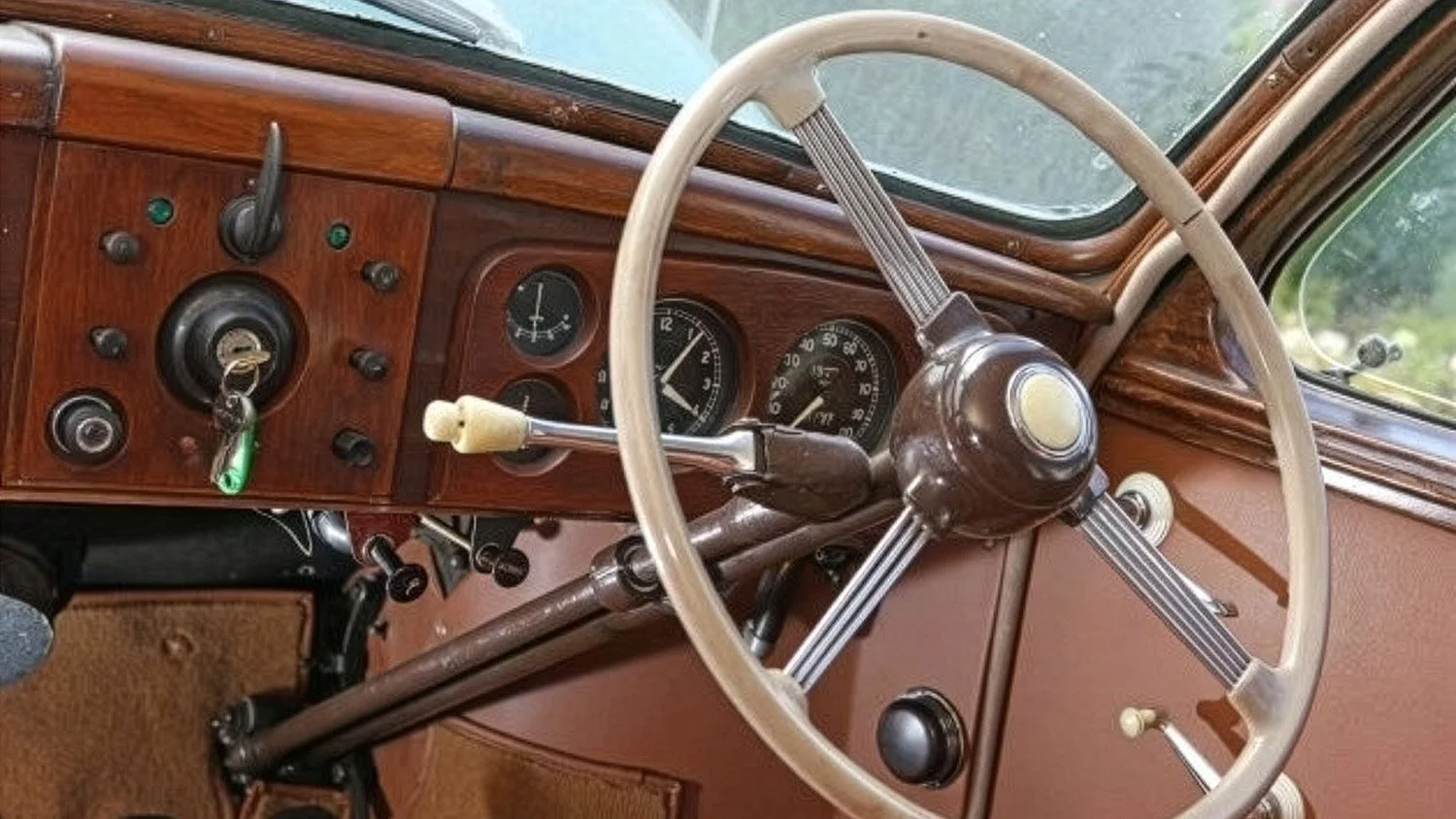
Nuts & Bolts
Jowett Javelin
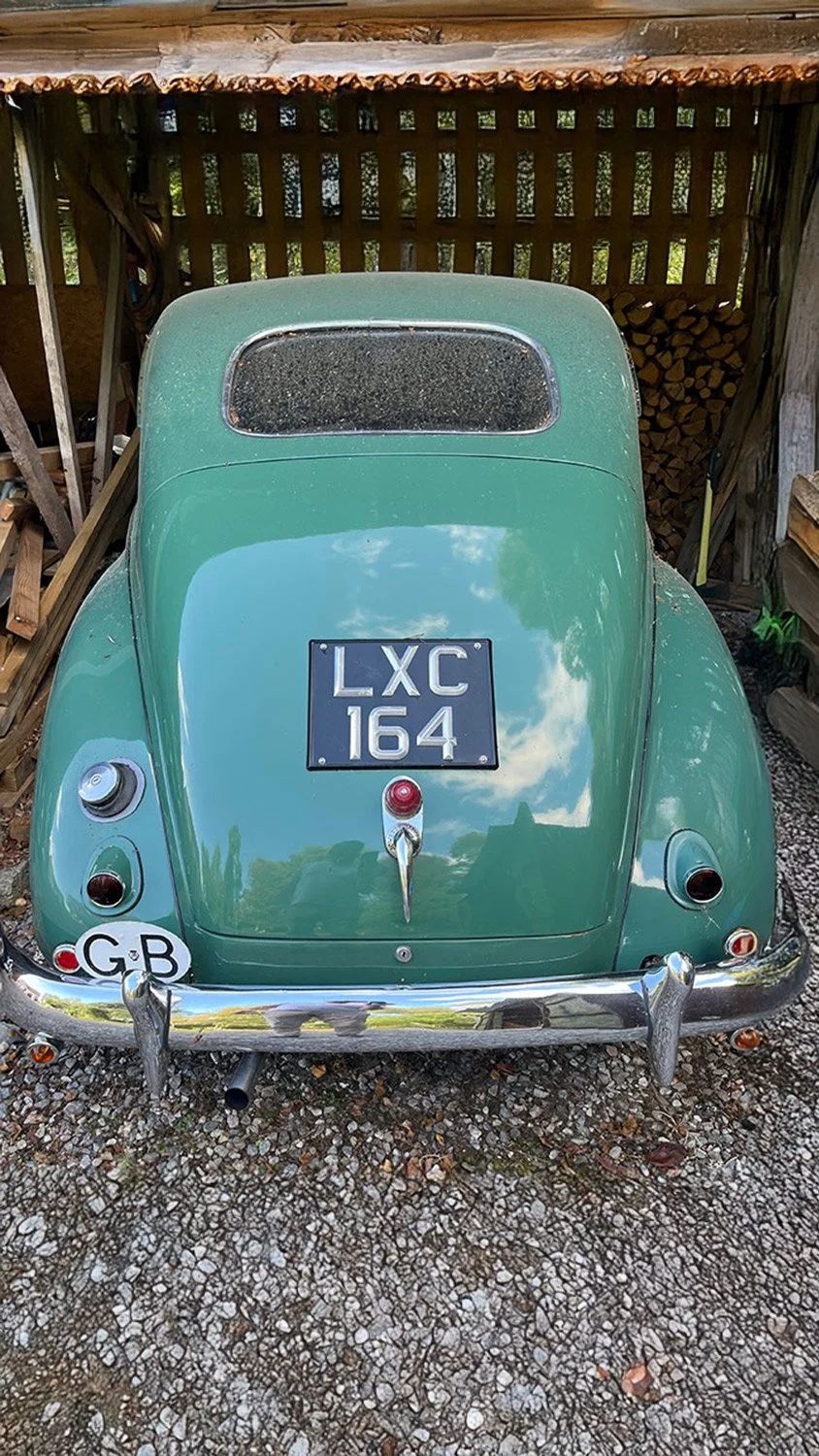
First registered: November 1950
Registration Number: LXC 164
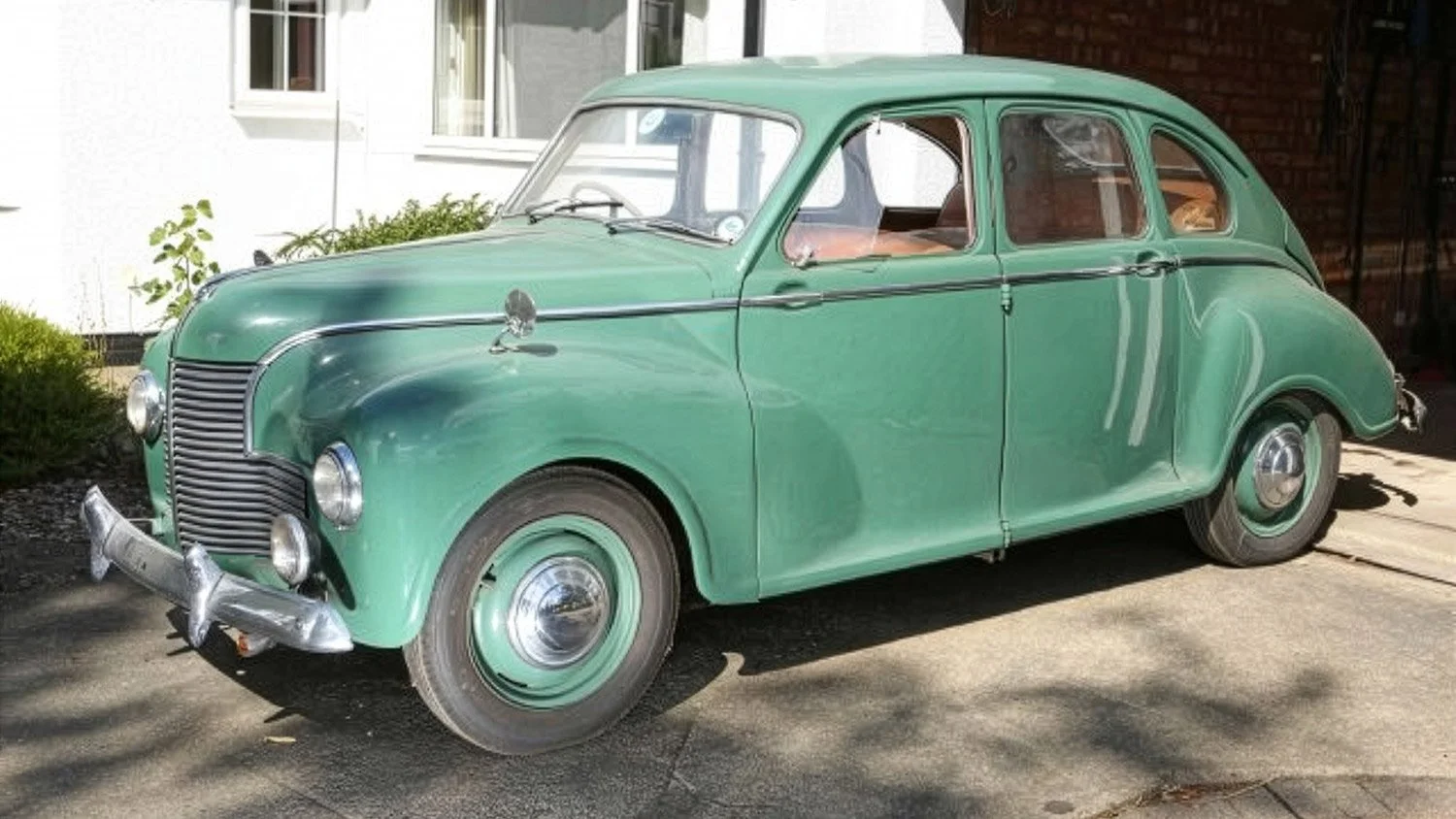
Green
Flat-four "boxer" engine
Curved and toughened glass windscreen
Advanced and unique engineering
The Javelin incorporated features that were rare or non-existent on other British saloons of the era. With a 1,486 cc overhead-valve flat-four engine with a water-cooled aluminium block, its horizontally opposed cylinders produced a low centre of gravity and allowed for a very spacious cabin.
The Javelin used an early form of unitary or "monocoque" construction, where the pressed-steel body was welded to a box-section chassis, which made the structure lightweight yet exceptionally strong.
While most competitors still used leaf springs, the Javelin used independent torsion-bar suspension at the front, with torsion bars and trailing links at the rear, providing a comfortable and well-controlled ride.
Distinctive and modern design
Designer Gerald Palmer's styling for the Javelin broke from staid pre-war designs, setting a new tone for post-war British motoring. Its sleek, aerodynamic fastback body with a sloping tail was unlike anything else on the market and was well-received by the motoring press.
The Javelin was the first British production car to feature a curved, toughened glass windscreen, a trend-setting detail that became standard on cars years later.
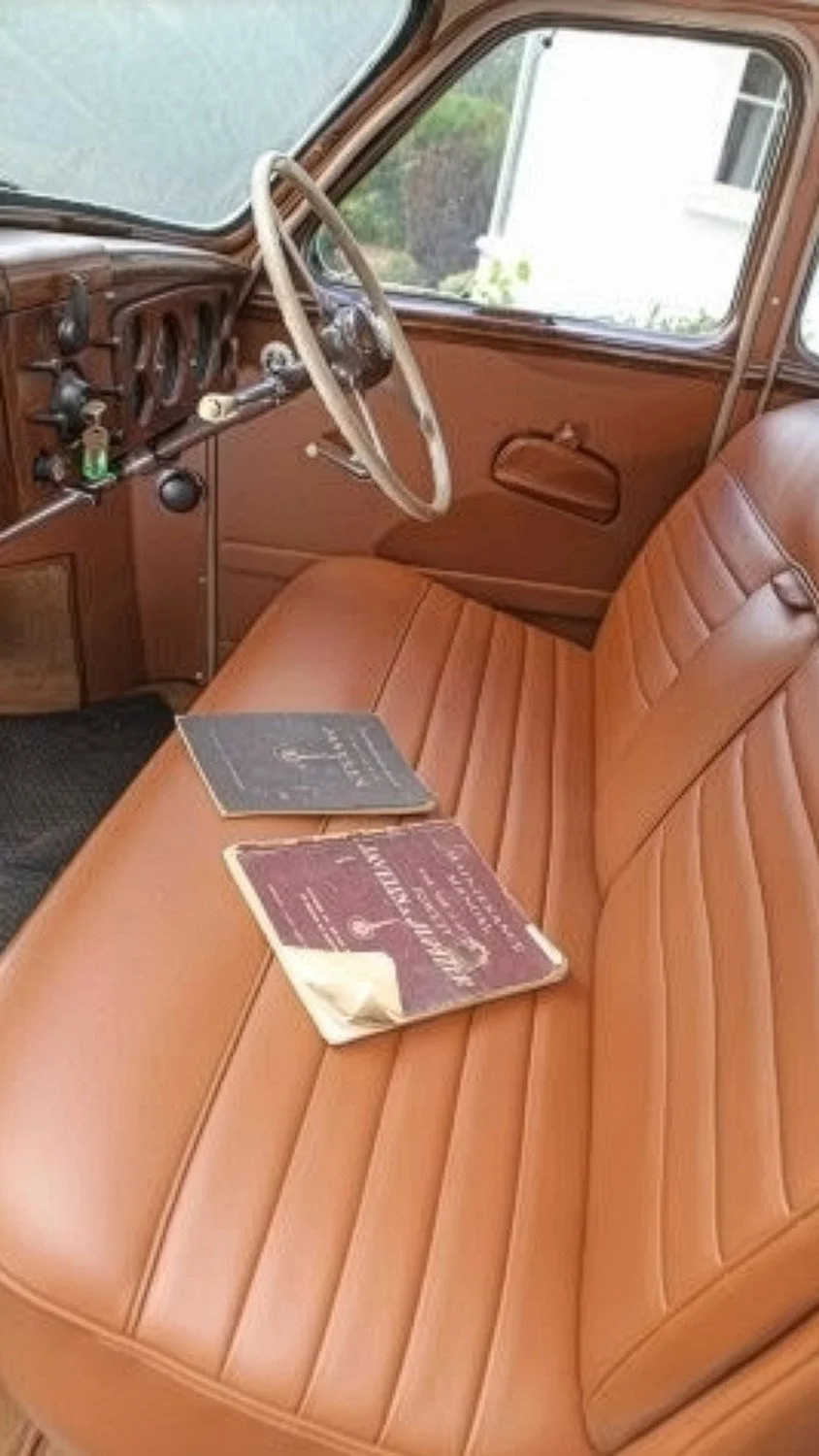
By mounting the compact engine well forward, the Javelin could comfortably seat six people on its front and rear bench seats, a major selling point at the time.
Motorsports success
The car's capable chassis and balance were proven in motorsports, earning class wins in the 1949 Monte Carlo Rally and the Spa 24-hour race. It also won the 1953 Tulip Rally outright.
Manufacturing demise
Despite its innovation, the Javelin's technical complexity was a challenge for a small firm like Jowett. Production and financial issues, including problems with an in-house gearbox from 1951, eventually led to the company's collapse in 1954. This backstory adds to its appeal as a courageous and ambitious project that was simply ahead of its time.
“The flat-four engine and torsion-bar suspension contributed to a low centre of gravity, which gave the Javelin superb roadholding and handling for a family car.”
— Culburnie Classic Cars